 Luna
Luna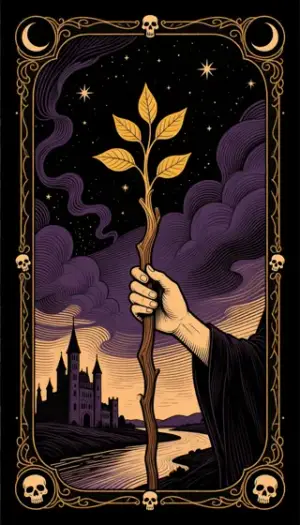
How the Minor Arcana are built
Do the arithmetic and the extra rank is the whole story. Four suits of fourteen give 56; four suits of thirteen would give 52, the pack sitting in most kitchen drawers. The ten number cards are identical in both, so everything tarot has beyond an ordinary deck lives in a court of four instead of three: Page, Knight, Queen, King.
That surplus is what makes the minors readable as a story rather than a score. The number run works like a road - the Ace is the pure start of the suit's theme, the Ten its far end, everything between marks the stages - and the four court cards are not stages at all but faces: people around you, roles you step into, degrees of maturity of the same energy.
The four suits at a glance
| Suit | Element | Territory | When a spread is full of them |
|---|---|---|---|
| Cups | water | feelings, bonds, closeness | the question is really about emotions, whatever it was phrased about |
| Swords | air | thought, words, decisions | the matter is being decided in the head - possibly overthought |
| Wands | fire | action, drive, beginnings | it is time to move rather than weigh options |
| Pentacles | earth | money, body, work, results | everything rests on the material base: resources, timing, habits |
Cups: the suit of feeling
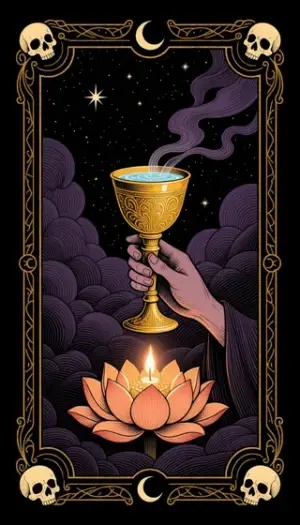
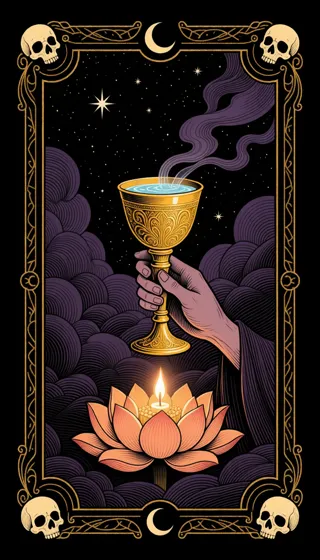
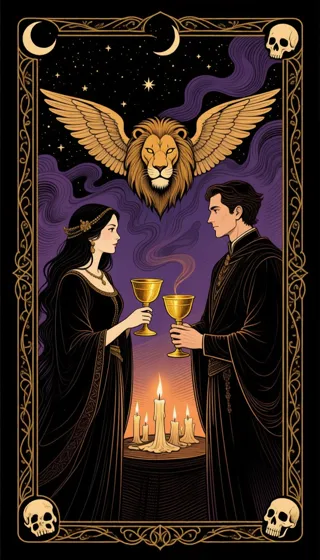
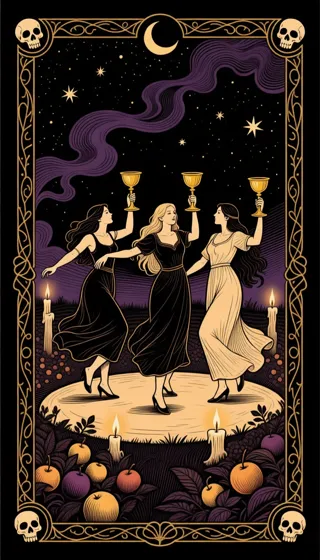
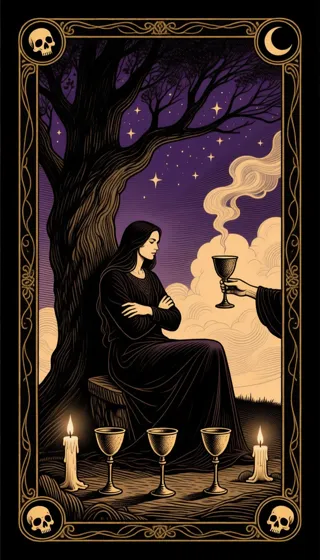
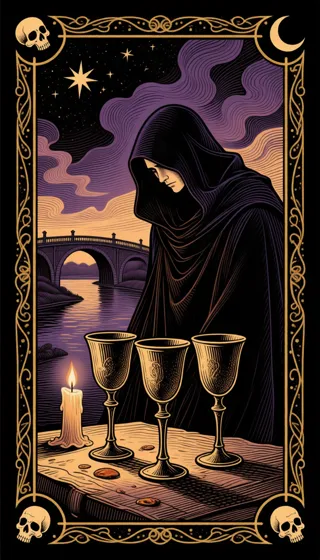
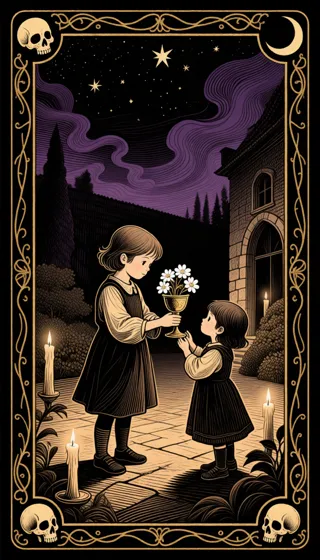
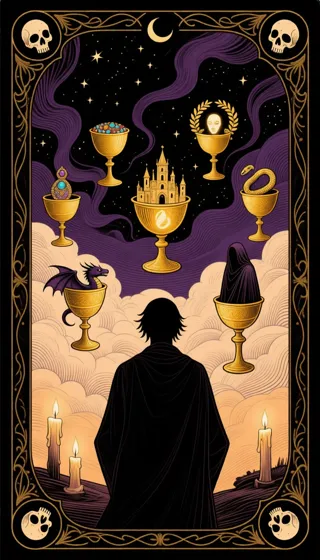
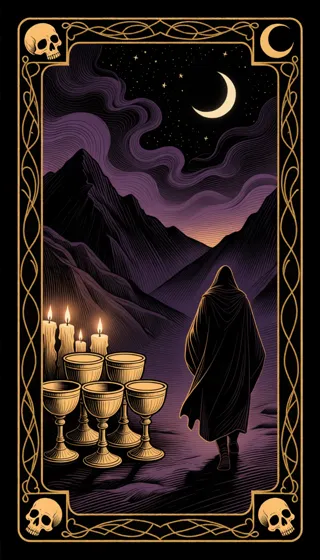
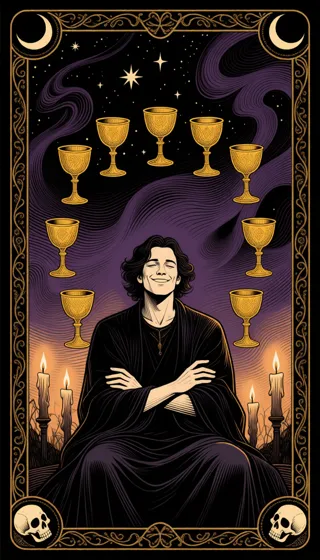
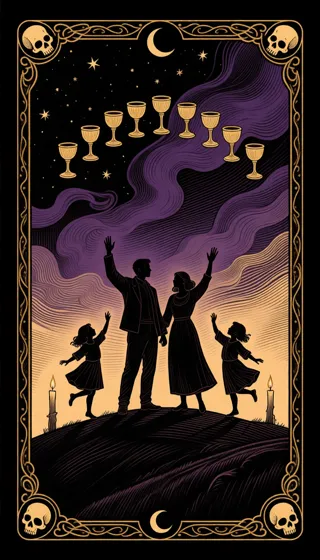
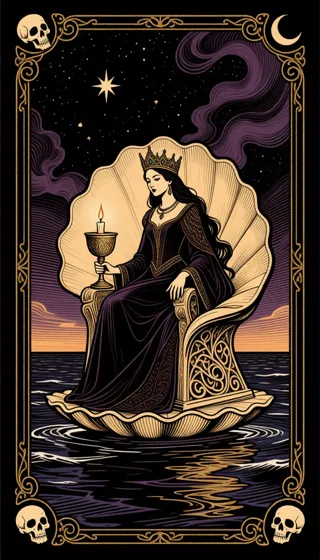
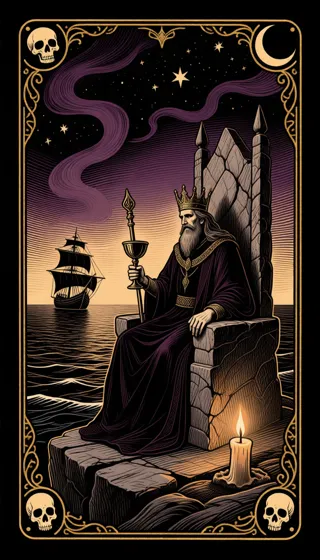
The water suit. Cups hold whatever the heart lives through - falling in love, friendship, family warmth, longing, reconciliation. The Ace of Cups is feeling at its source, a heart just opening; the Ten is fullness - warmth that has become a home. The road between them passes through choice, celebration, cooling off and coming back.
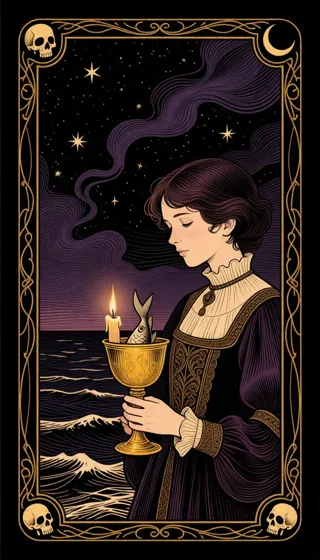
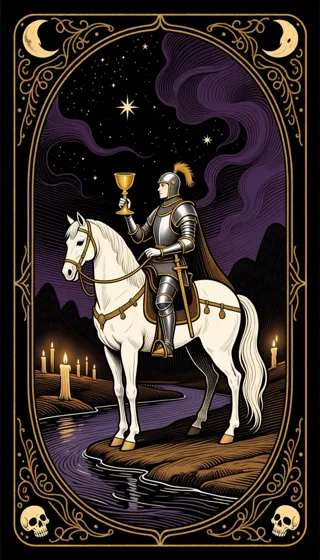
The Cups court are people of the heart: the Page loves for the first time and hides nothing; the Knight arrives with a romantic offer; the Queen senses others without words; the King keeps deep water calm.
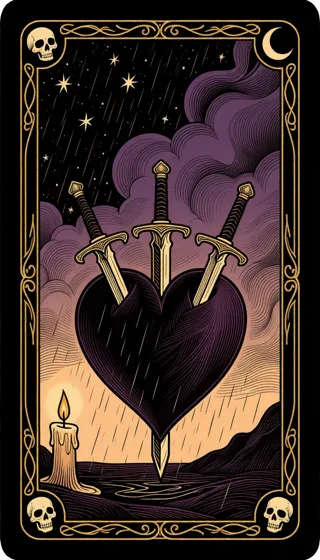
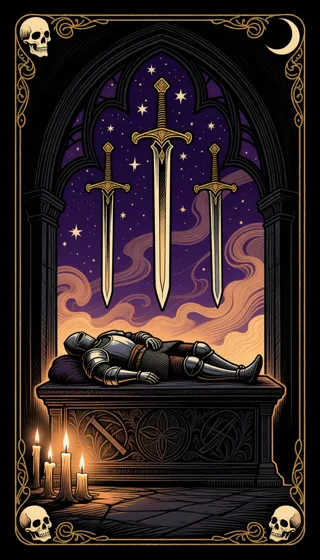
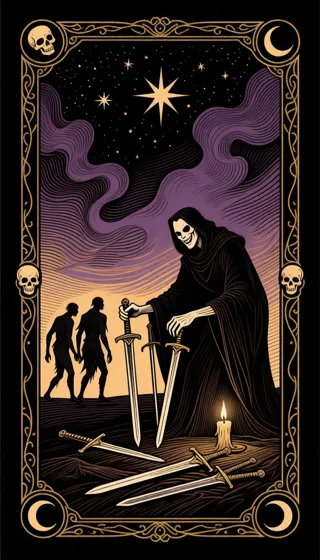
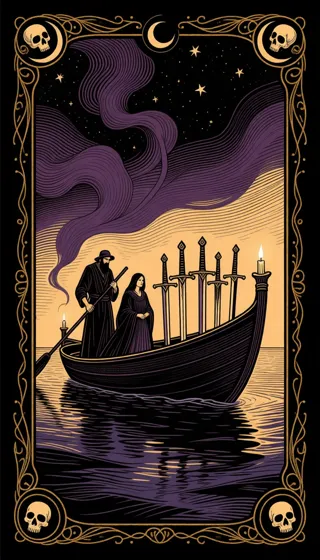
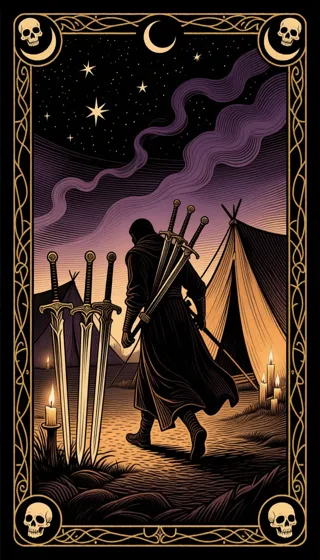
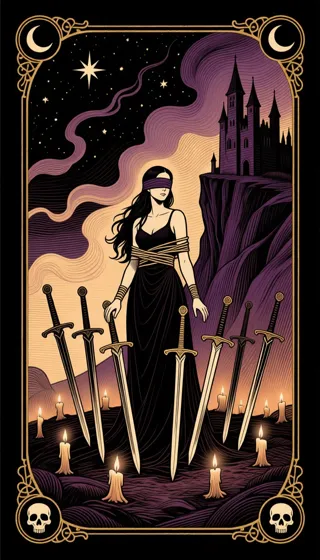
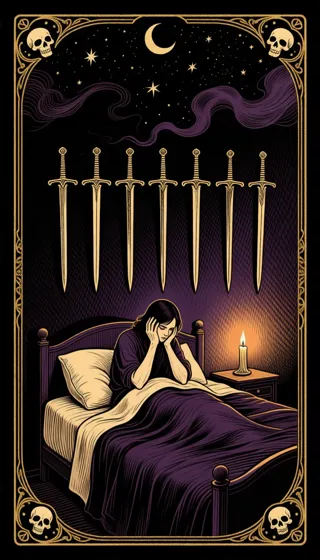
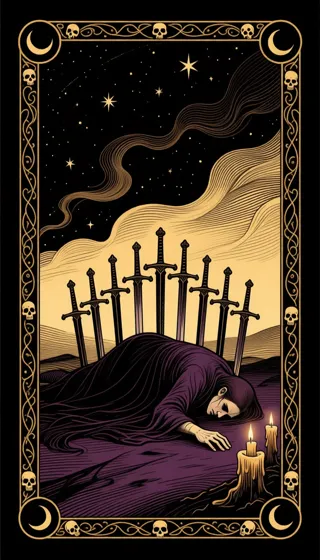
Swords: the suit of thought
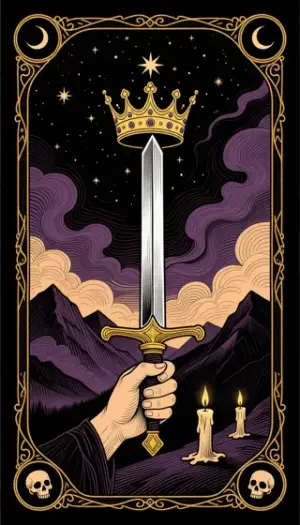
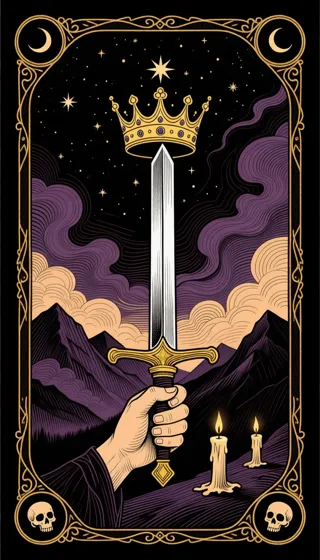
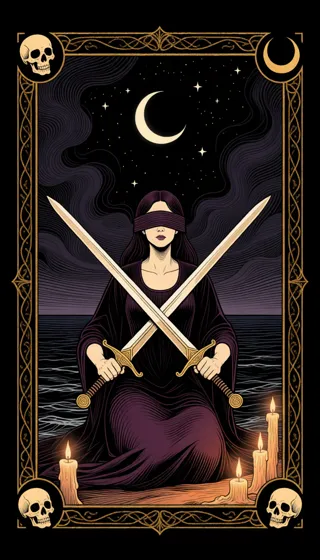
The air suit. Swords belong to the mind - analysis, arguments, honest conversations, hard choices. The Ace of Swords is the moment of clarity when things finally get called by their true name; the Ten is the end of an exhausting stretch - the point below which it does not go, where the argument with yourself is over and a new chapter starts. A card of completion, not of threat.
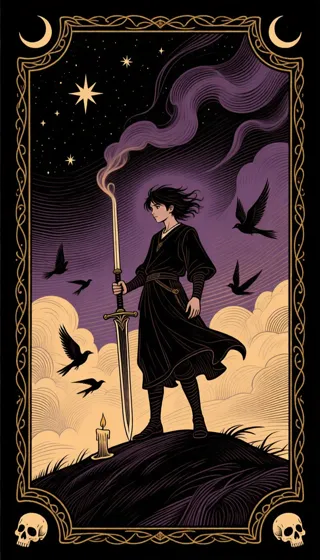
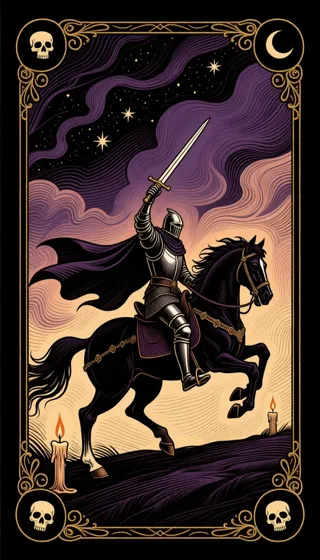
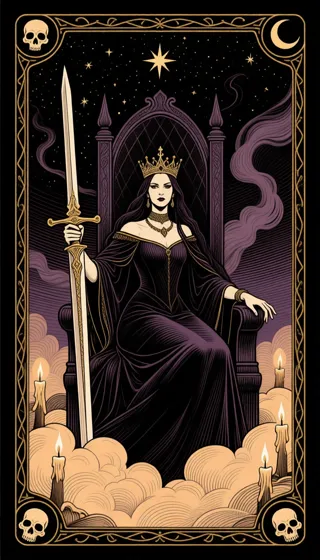
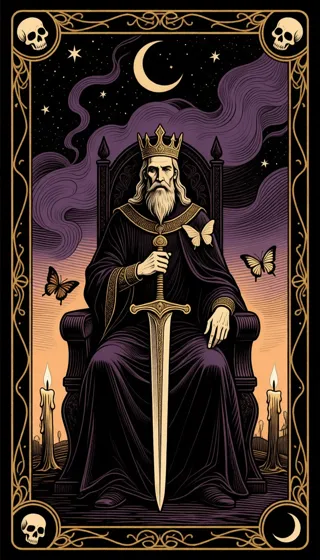
The Swords court are people of word and logic: the Page notices everything; the Knight charges into debate head first; the Queen is a clear mind that has lived through a lot; the King is a judge who values truth over comfort.
Wands: the suit of action
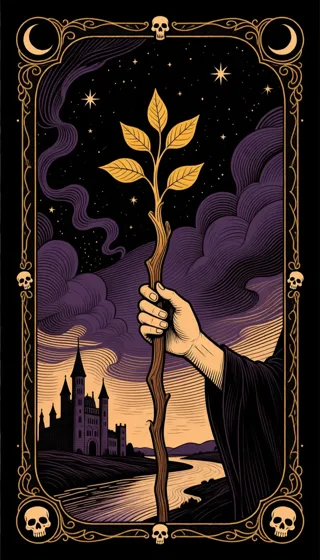
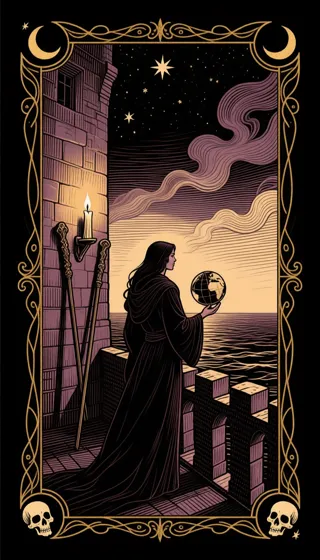
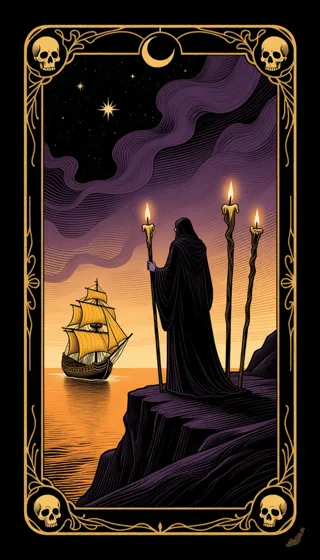
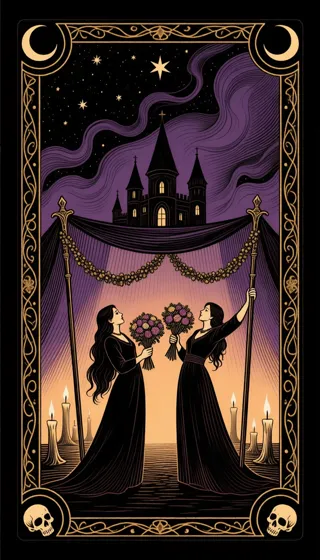
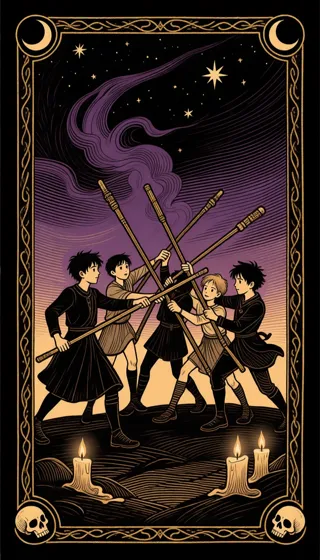
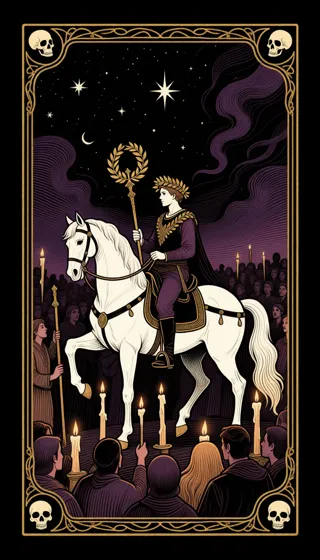
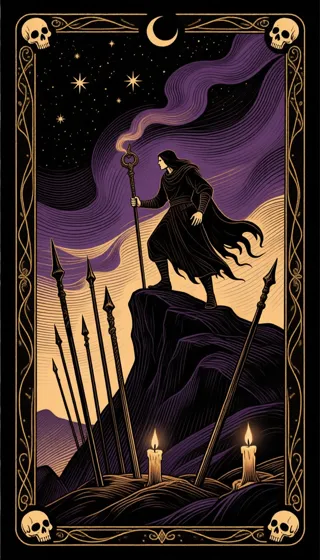
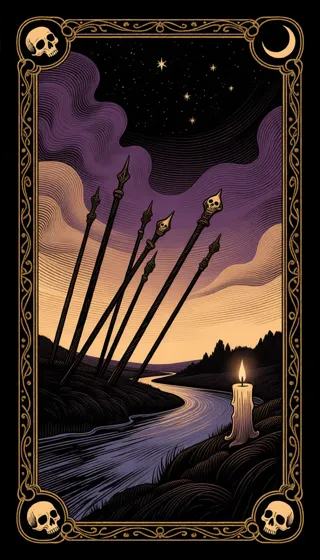
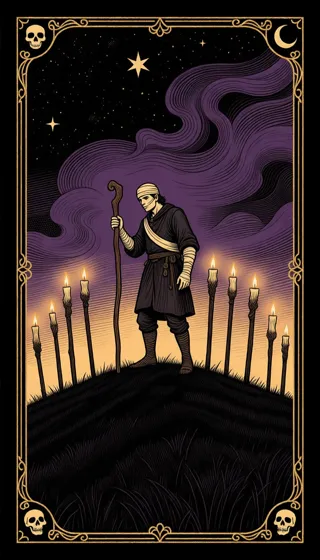
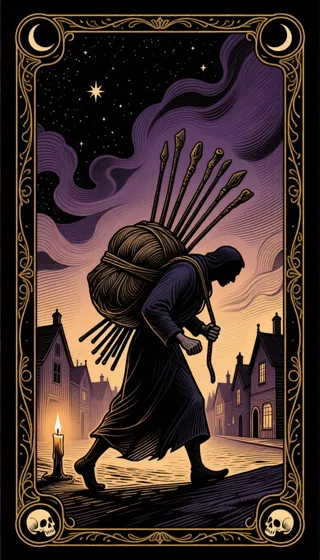
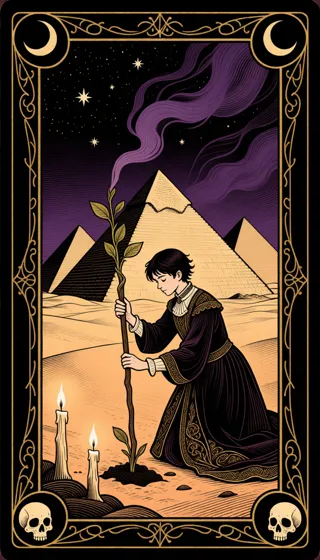
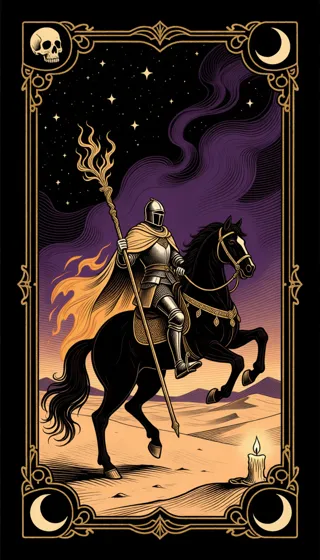
The fire suit. Wands run on the energy of doing - an idea, a launch, a contest, recognition. The Ace of Wands is the spark, the impulse to start right now; the Ten is the load - more taken on than is comfortable to carry, time to hand part of it over or walk the last stretch. Between them the venture grows: plans, partnership, defending your ground, victory.
The Wands court are doers: the Page burns with enthusiasm; the Knight rides first and thinks later; the Queen carries charisma and self-belief; the King sets others on fire with his cause.
Pentacles: the suit of matter
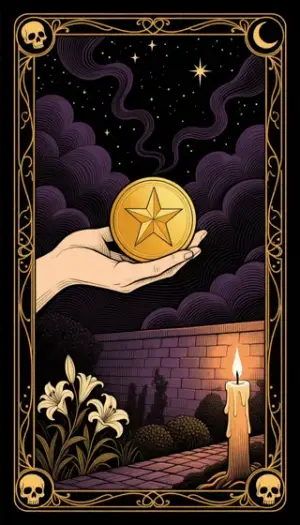
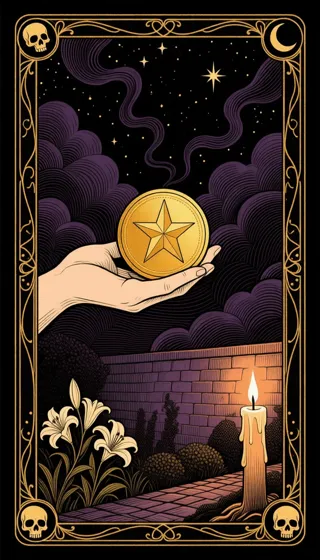
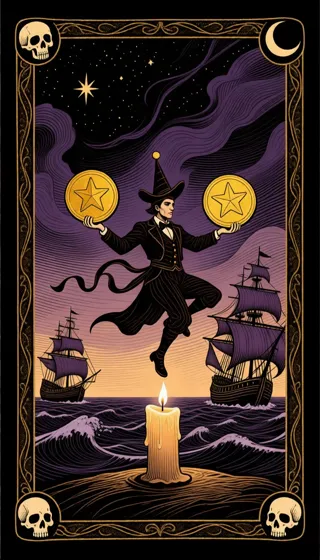
The earth suit. Pentacles cover what can be touched - income, craft, home, the body, habits. The Ace of Pentacles is a real opportunity already sitting in your palm; the Ten is what has been built up: stability, plenty, the kind of wealth that gets passed on - to children, students, a cause. Between them lies the craft itself: apprenticeship, patience, harvest.
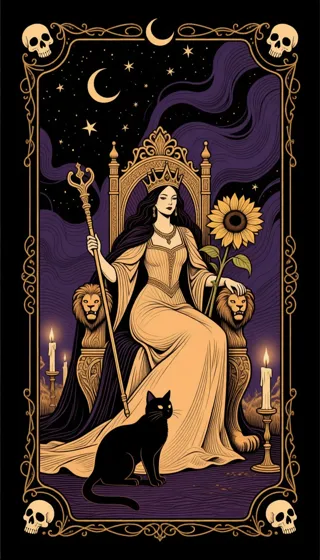
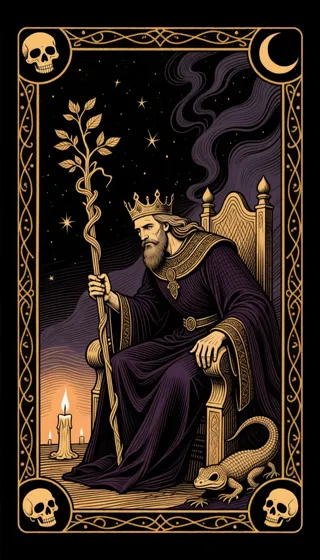
The Pentacles court are practical people: the Page is a student learning a trade; the Knight works slowly and never lets you down; the Queen keeps a house where everything has its place; the King built his prosperity with his own hands.
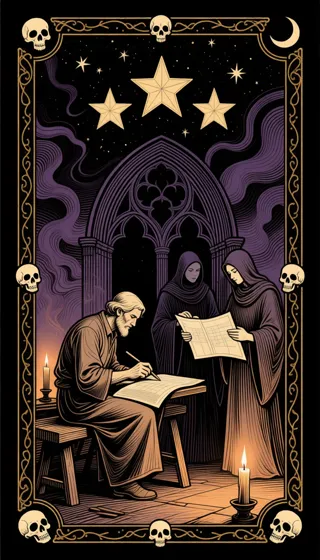
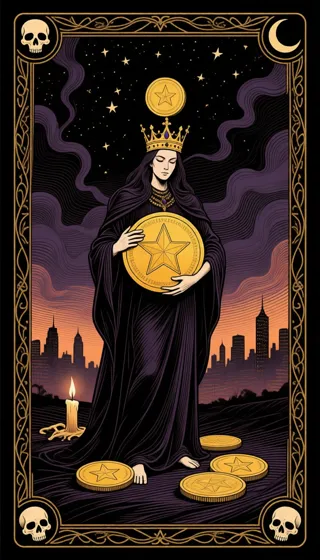
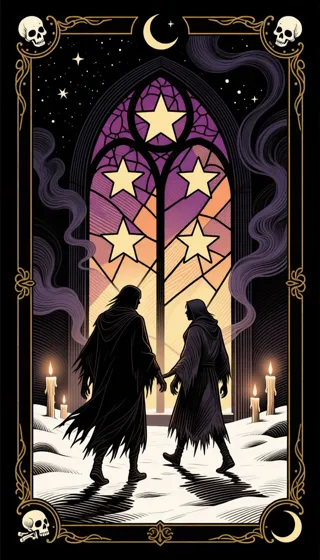
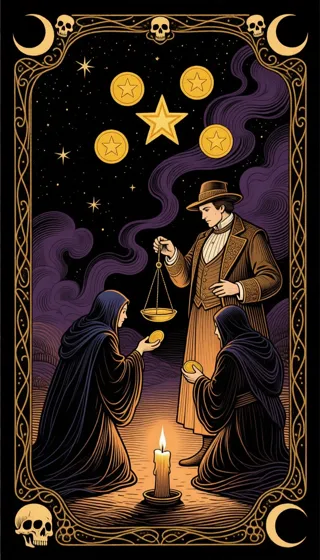
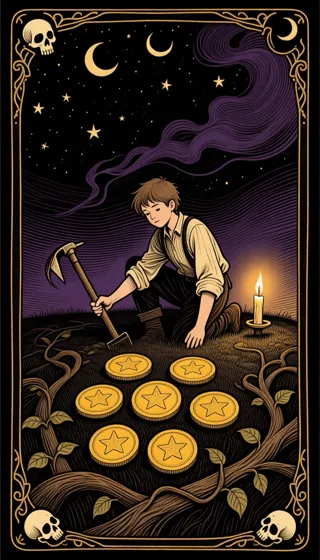
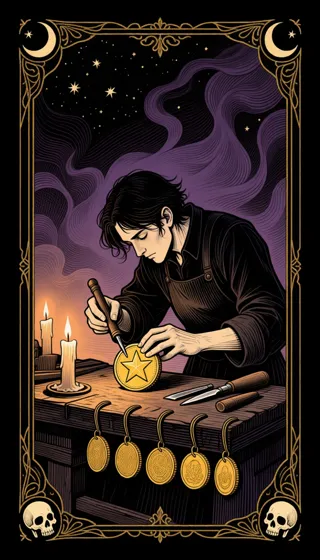
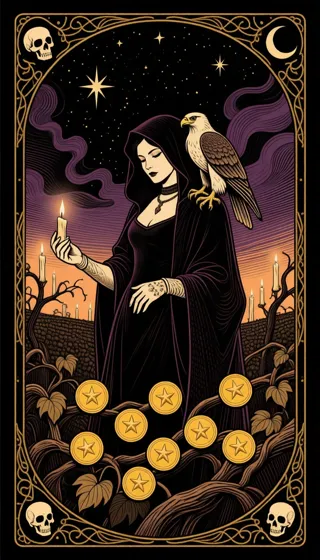
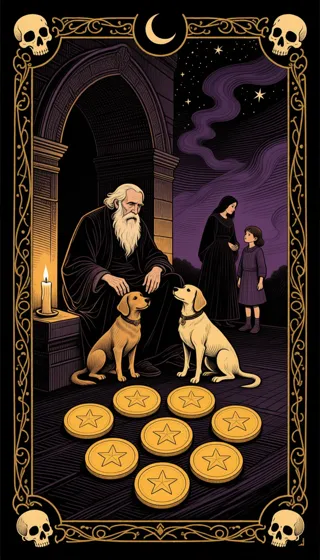
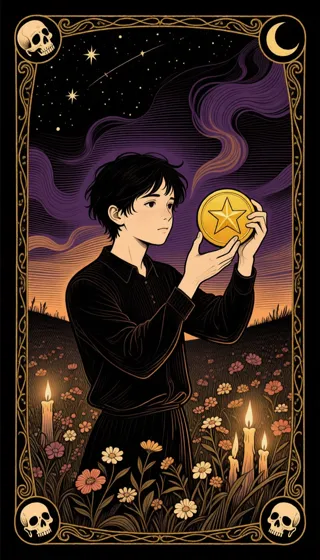
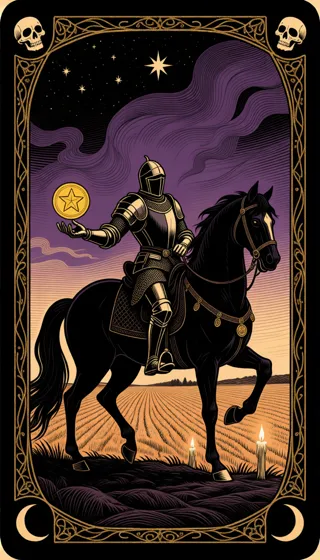
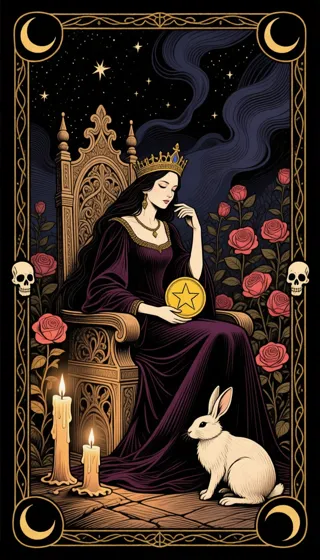
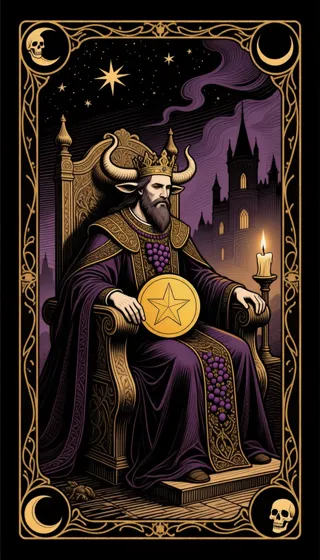
Page, Knight, Queen, King
The Knight is the rank an ordinary pack dropped, and keeping it turns a two-step court into a four-step one. The Page is the apprentice, the energy being tried out. The Knight is motion, the energy bursting outward and sometimes without measure. The Queen owns the element from within, where it has become character. The King governs it outward, spending it calmly and for others.
Four steps instead of two is why a court card can describe a stage of your own life and not only a person in it. In a spread it may point to someone standing nearby, or to the role you are currently playing; the question and the neighbouring cards say which.
Minors versus Majors
The Major Arcana carry the large themes of fate: choice, turning point, lesson, renewal. The minors are the weather of daily life - the circumstances through which those themes are lived out today. If the Majors are the plot of the book, the minors are the detail of its chapters: who called, what was said at work, what the kitchen-table talk was about.
Which is also why the majors could never have been a suit. They have no ace and no ten, no ladder to stand on, and a spread heavy with them reads as “something important is unfolding” - where a spread of minors reads as “life is being decided in the small things, and those are in your hands”. All 22 are covered on the arcana page.
Why Luna reads the Majors
In the app Luna lays out the 22 Major Arcana - a deliberate choice, not a shortcut. The Majors hold the core meanings of the deck: they answer the question at its heart, without the noise of detail. For a reading that is enough - and the minors are described here so the full 78-card deck makes sense as a whole.
Frequently asked questions
Do I have to learn all 78 cards?
No. A solid practice grows out of the 22 Major Arcana, whose meanings are larger and stick faster. The minors add resolution rather than correctness, and a spread without them is not wrong - only shorter.
Where should a beginner start?
With the Majors, then one suit at a time. There are only 22 of them, and the destiny matrix numbers them the same way, so the meanings settle from two directions at once. Suits come easier afterwards, since ten of the fourteen cards in each are just a numbered ladder.
What does it mean when a spread has almost no Majors?
That the situation is being decided at the level of everyday life - no fateful turns, just ordinary steps. Good news: such situations depend on your own decisions more than any other kind.
What about reversed minor cards?
Reversals are not part of how we read, in either half of the deck. Position in the spread and the neighbouring cards carry the shading instead, and they carry it well enough.
The content is for entertainment and self-reflection. It is not a substitute for professional advice.
Do a reading
Luna deals the 22 Major Arcana - the unsuited cards, the ones with no ladder of numbers to climb. The spread is built around your question and read aloud, in her own voice.
Open Luna